2020 has been a year for the record books. We have lived through one of the most turbulent times in recent memory and we still have a way to go. As the year comes to an end, this is the customary time to slow down a little bit and reflect. It is a time to reflect on those people who are most important to us, our successes and failures, and our hopes for the future. One thing that we often do not spend enough time on is being in the present, and even more importantly, being thankful and grateful for where we are and what we have. We all tend to naturally focus on what didn't go our way, our regrets, what we don't have, etc., What's more is that we never seem to feel at peace when we dwell on these thoughts and in fact, we often feel worse.
With that in mind, it is imperative now more than ever to find our inner calm and to be grateful. Gratitude is not easy and if not in the habit, it does not come naturally.
What the research actually shows
Gratitude is one of the few areas of positive psychology with a solid body of research behind it, much of it from psychologists Robert Emmons and Michael McCullough. In their best-known experiment, people were assigned to spend a few minutes each week writing: one group recorded things they were thankful for, another recorded hassles and irritations, and a third simply logged the week's events. Ten weeks later, the gratitude group reported feeling better about their lives than the others, and, more interesting to me as a physician, they were also exercising more and seeing the doctor less.
Later work has connected a regular gratitude practice with better sleep, lower measures of stress and its hormones, fewer symptoms of depression, and even improvements in markers we track in clinic, like blood pressure and inflammation. Researchers have also found effects on relationships: partners who make a habit of expressing appreciation communicate more openly with each other, including about problems. The individual studies vary in size and quality, as they always do, but the direction of the evidence is remarkably consistent: practicing gratitude measurably improves both mood and health.
Putting it into practice
Gratitude is a skill, and like any skill it responds to repetition more than to intention. A few ways to build it that I suggest to patients:
Tell people. When someone has mattered to you, say so, in a note or in person. It reliably lifts both of you, and it deepens the relationship. If there is no time to write, even pausing to mentally thank someone counts.
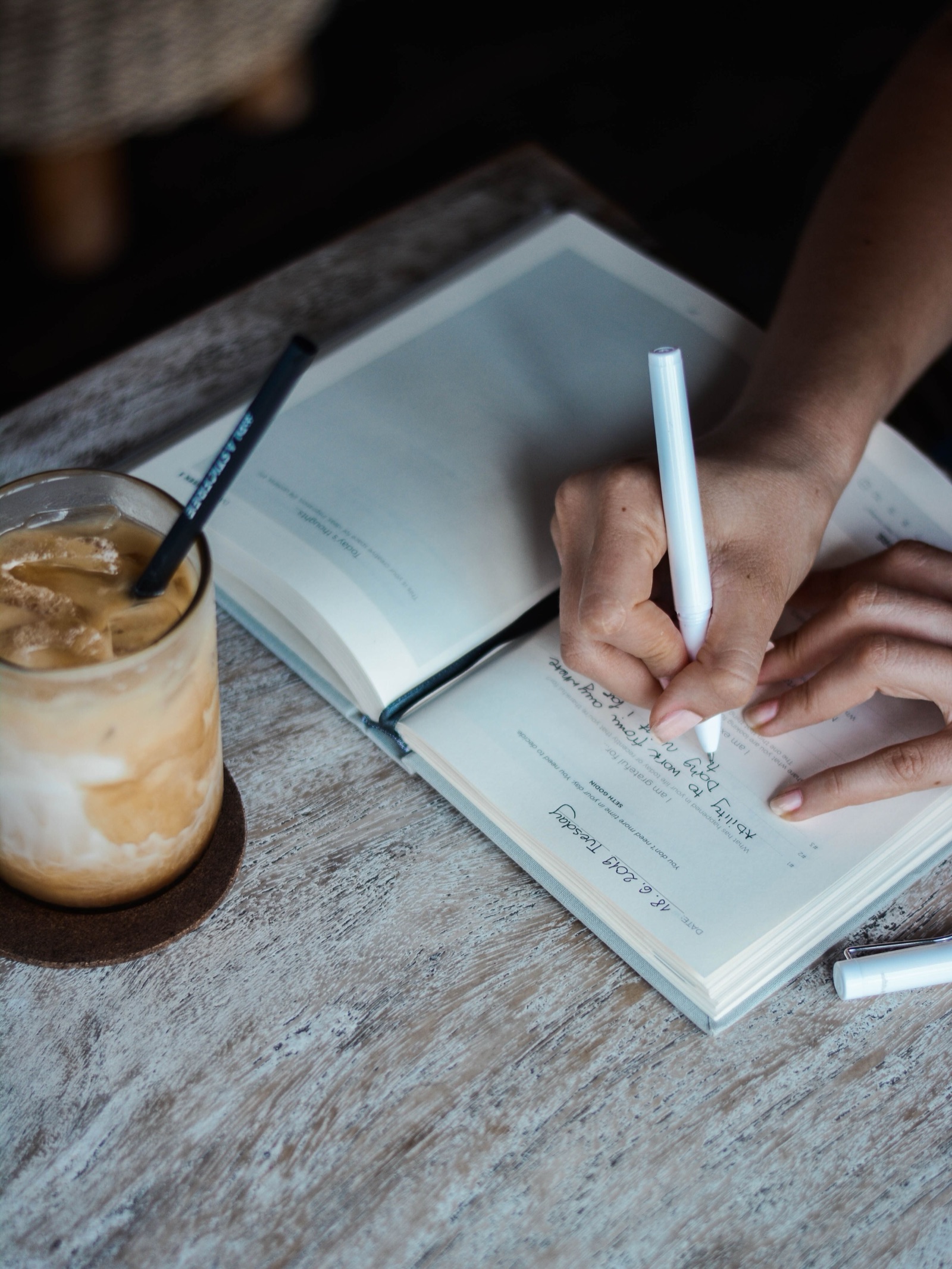
Write it down. A gratitude journal does not need to be elaborate. A few specific items, written at the same time each day or week, works better than a vague resolution to be more thankful. Specific beats general: not "my family," but the thing your kid said at dinner.
Attach it to something you already do. Grace before a meal, prayer, or a few quiet minutes of reflection at the start or end of the day are natural places to fold in gratitude, and an existing habit is the easiest thing to build a new one onto.
All of these activities serve to make gratitude a natural thought pattern. If practiced consistently, an attitude of gratitude soon becomes natural and you will find that your quality of life dramatically improves.
References: Harvard Health Publishing, "Giving thanks can make you happier" (summary of the Emmons and McCullough research and suggested practices); Krista Jordan, PhD, on the health correlates of gratitude practice.